




Summary
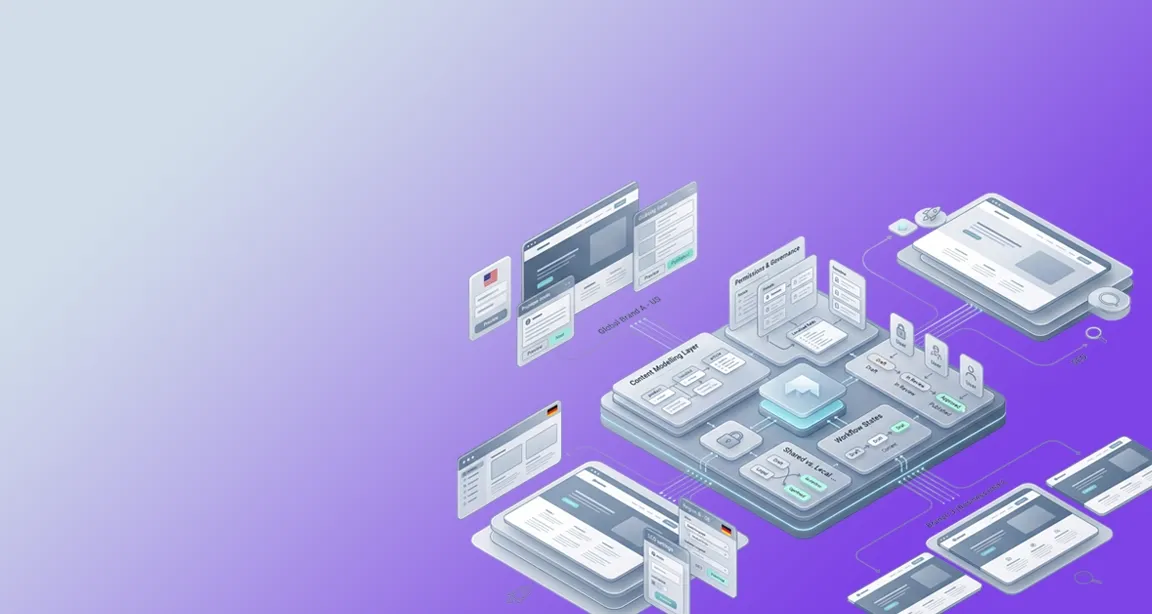
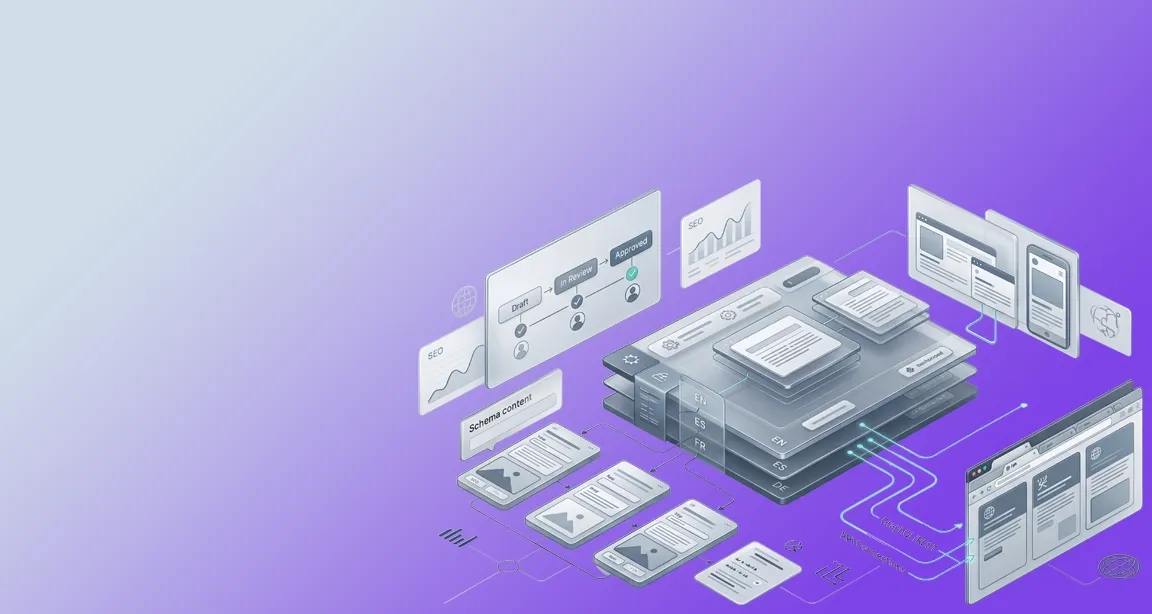
Strapi multilingual is not only about whether a CMS can store multiple languages. It is about building a clean structure for locales, approvals, preview and multilingual content operations.
In international projects, the real challenge is how content is organized across languages, markets, page types and teams. That is exactly where a purely technical setup differs from an operationally reliable CMS model.
When teams evaluate Strapi multilingual websites, they usually look at more than just:
- whether content can be localized
- how locale versions are created
- how preview works for each language
- how publishing and approvals are handled across multiple language versions
- how global and local content are separated
- how the model connects to a multilingual frontend such as Next.js
They also want to know:
- whether content stays consistent across all language versions
- whether it is clear which content is global and which is maintained locally
- whether workflows per market and per locale work reliably
- whether the setup can actually run in daily operations without constant rework from editorial and development teams
Strapi provides the foundation for managing content across multiple locales through its Internationalization feature. In Strapi 5, i18n is a free feature, preview connects the Content Manager to the frontend, Draft & Publish separates draft and live content, and Review Workflows remain an enterprise feature. Strapi also documents locale-specific handling in both the REST API and Document Service API.
So for international websites, the real question is not only:
Can Strapi handle multilingual content
But rather:
Is Strapi multilingual set up correctly for our content structure, governance model and editorial operations
If you want to evaluate Strapi more broadly as a CMS approach for your website or platform, our Strapi Solution is the natural next step. If you are already thinking about implementation, architecture and operations, our Strapi Agency page is also relevant.
Before we go deeper into i18n, workflows, preview and multilingual content models, it is worth taking a closer look at what multilingual websites in a headless CMS environment really require.